

Environmental Intelligence in the Field
These illustrative case studies reflect the types of challenges OceanusIQ addresses and the outcomes our platform is designed to deliver.
These case studies are illustrative examples of OceanusIQ platform capabilities and representative outcomes.
PFAS Groundwater Migration Detected Ahead of Regulatory Audit
The Challenge
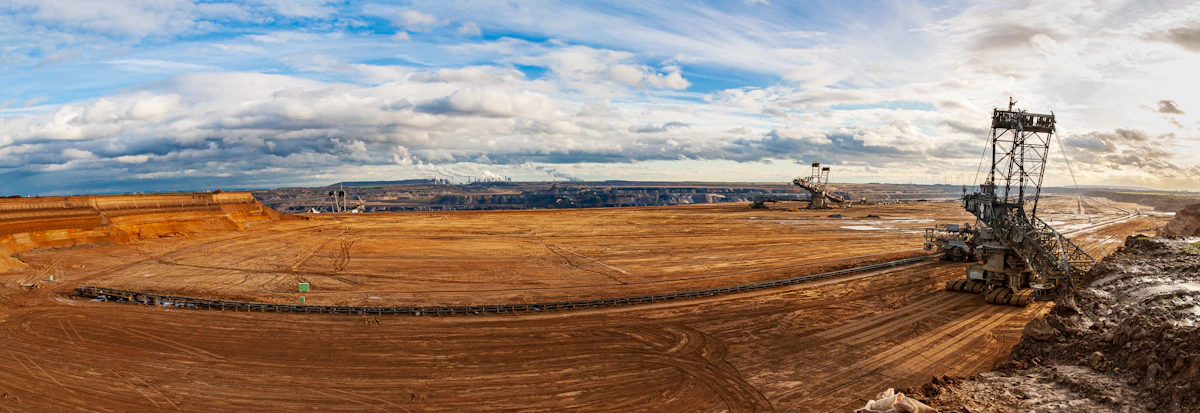
A northern Canadian mining operation was conducting routine quarterly groundwater sampling across a network of 14 monitoring wells. Their existing manual sampling program was compliant with permit conditions, but the 90-day intervals between samples created significant blind spots -- particularly around a former fire-suppression area known to have historical PFAS use.
With a major regulatory compliance audit scheduled, the operator needed confidence that their groundwater quality data accurately represented current conditions. The concern: their sampling frequency was not sufficient to detect a slow-moving PFAS plume in the subsurface.
The Solution
OceanusIQ deployed a continuous groundwater monitoring network at 8 priority wells, integrating real-time sensors with the RealiteQ SCADA platform. Monitoring parameters were configured to track conductivity, pH, and specific ion indicators relevant to PFAS precursor chemistry, with automated daily data transmission and threshold-based alerting.
The deployment replaced quarterly manual measurements with continuous 15-minute interval data -- increasing monitoring resolution by a factor of over 8,000 per well.
The Results
Within 11 weeks of deployment, continuous conductivity trending at two downgradient wells indicated anomalous subsurface movement that manual sampling had not captured. Follow-up analytical sampling confirmed early-stage PFAS migration from the historical source area.
The operator was able to implement targeted containment measures and update their site management plan -- six months before the scheduled regulatory audit.
Seasonal Contamination Windows Identified for Regional Water Utility
The Challenge
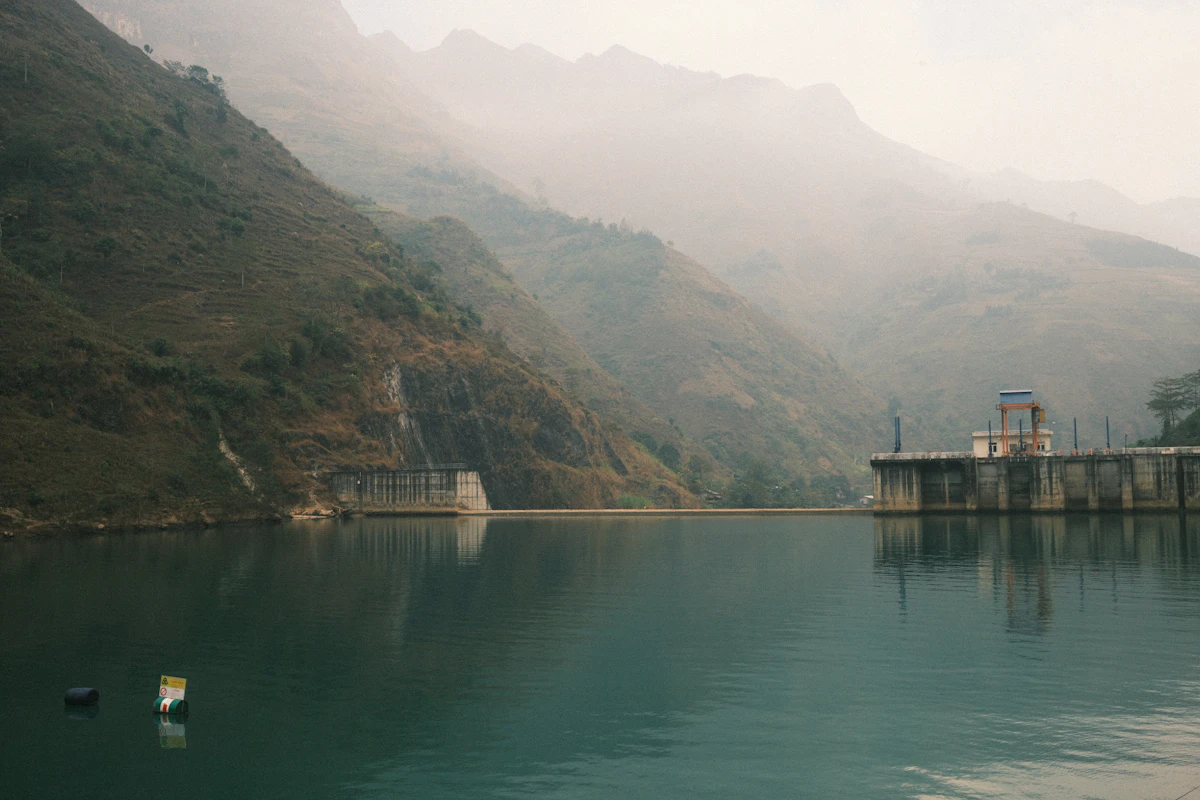
A regional water utility operating a surface water intake on an agricultural watershed faced recurring pressure on their treatment processes during spring runoff and fall harvest periods. While their source water protection plan identified agricultural runoff as a risk, the utility lacked the real-time visibility to know precisely when quality degradation began, how long it lasted, or which upstream conditions were driving it.
The result was a conservative over-treatment approach during peak risk seasons -- increasing chemical costs and placing additional stress on aging treatment infrastructure.
The Solution
OceanusIQ installed a multi-parameter continuous monitoring station at the water intake, plus two upstream tributary monitoring points at the primary agricultural drainage channels. The network tracked turbidity, nitrates, phosphates, conductivity, and E. coli surrogates in real time, feeding a unified dashboard accessible to both the utility's operations team and their source water protection coordinator.
Automated seasonal reporting summaries were configured to provide regulators with continuous-monitoring-backed data for the utility's annual source water protection reporting.
The Results
The first full monitoring season provided the utility with a detailed characterization of contamination timing that had never previously been documented. Spring runoff quality degradation was confirmed to be concentrated in a 12-day window following snowmelt, not a diffuse 6-week period as previously assumed.
This allowed the operations team to concentrate enhanced treatment protocols into a precise period, reducing chemical consumption by an estimated 22% during the remainder of the spring season.
Process Upset Intercepted Before Reportable Heavy Metals Exceedance
The Challenge
A metals processing facility was required under their environmental compliance approval to maintain effluent discharge concentrations of cadmium, lead, and zinc below specified release criteria. Their existing monitoring program used automated grab samplers that triggered on a timed interval -- but the interval was calibrated for steady-state operation, not process upsets.
A previous upset event had resulted in a brief exceedance that triggered a regulatory report, a follow-up site inspection, and a mandatory corrective action plan.
The Solution
OceanusIQ deployed continuous multi-parameter sensors at two points in the effluent treatment train -- one upstream of the final treatment stage and one at the discharge structure. The upstream sensor monitored conductivity and pH as process upset indicators; the discharge sensor provided real-time compliance verification against permit thresholds.
Alerts were configured to notify the plant's environmental coordinator and operations supervisor simultaneously, with escalating notification protocols if no acknowledgment was received within 10 minutes.
The Results
Fourteen weeks after deployment, a pH deviation at the upstream monitoring point triggered an alert indicating a chemical feed system malfunction. The operations team responded within 4 minutes and rerouted flow to the secondary treatment hold tank before any non-compliant effluent reached the discharge point.
The analytical sample collected during the event confirmed that the discharge structure would have exceeded lead release criteria within approximately 20 minutes if the automated alert had not been received.